
Home Backup Power
Home Backup Power for UK Power Cuts
Compare practical backup systems for broadband, lighting, phones, home-office equipment and selected household appliances during longer UK power cuts.
- Broadband and lighting
- Household essentials
- Higher-capacity systems
- Expandable backup
-
BLUETTI AC2P – Compact 300W Portable Power Station for Travel & Backup to Pinterest (opens in a new window)


-


-


-


-
-

-


-


-
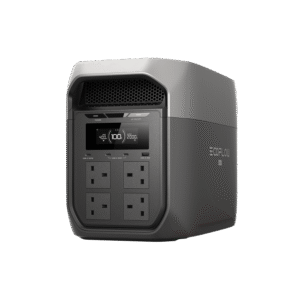
BLUETTI AC180P – 1800W Home Backup Power Station for UK Power Cuts to Pinterest (opens in a new window)


-


-


-

-
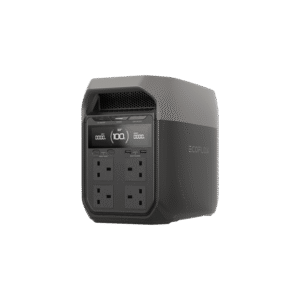
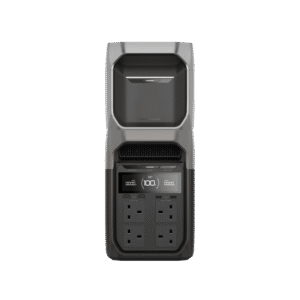
Bluetti AC500 Inverter Module (Standalone – Requires B300S Battery, Sold Separately) to Pinterest (opens in a new window)

-


Household backup planning
Planning portable backup for household essentials
Portable home backup starts with a clear list of essentials. Think about what must remain available during a power cut, which devices may run together and the length of disruption you want to plan for. This produces a more useful requirement than choosing the largest battery by default.
Prioritise the important loads
Broadband equipment, phones, lighting and home-office devices are often practical starting points. Record their wattage and expected hours of use. Add only the items you genuinely need so available energy is not consumed by avoidable loads.
Allow for starting power
Refrigeration, pumps and other appliances with motors or compressors can demand more power at startup than during normal operation. Check both the continuous and surge capability of the power station against the appliance information before relying on a setup.
Keep the scope realistic
Larger cooking, heating and fixed household loads can require substantially more output and energy. A portable backup power station is not automatically a whole-home system, and estimated runtime changes with real usage, temperature and conversion losses.
Recharge planning matters too. Mains charging is usually the predictable baseline, while compatible solar can add flexibility when conditions allow. Keep the station ventilated, dry and used within the operating guidance supplied for the product.
Use the Power Calculator to organise loads and runtime, then compare portable power stations or narrower emergency power options.