Portable Power Station vs Generator UK: Which Is Better for Home Backup?
Portable power station vs generator UK is one of the biggest questions for households preparing for power cuts, storms and home backup. This guide compares both options in plain English so you can choose the safer, quieter and more practical setup for your essentials.
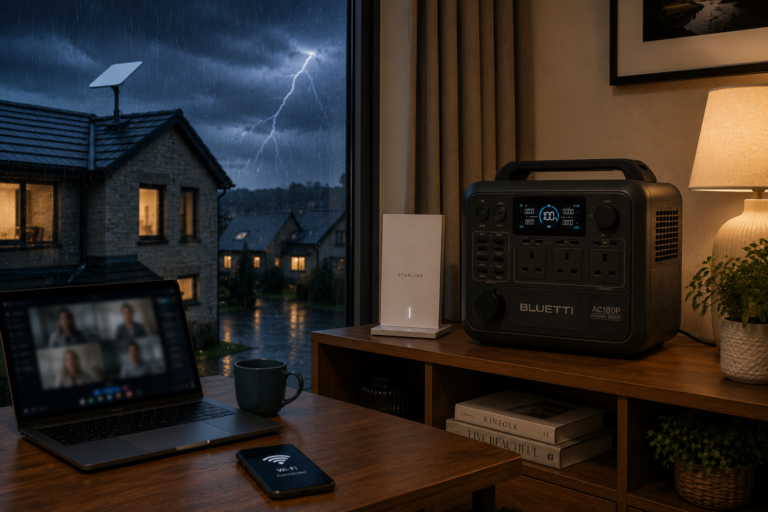
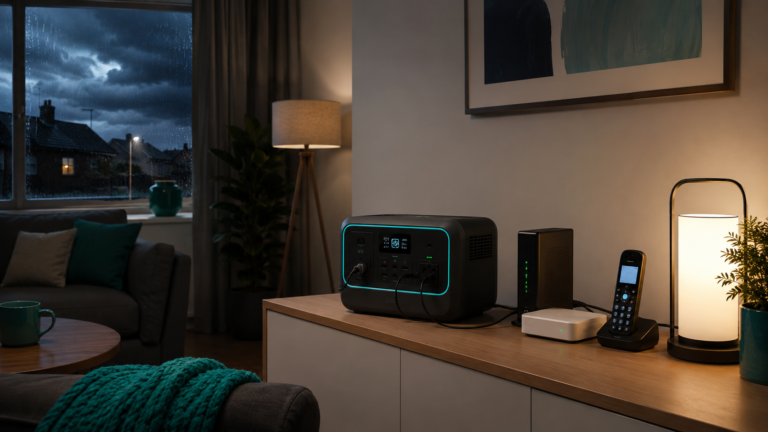
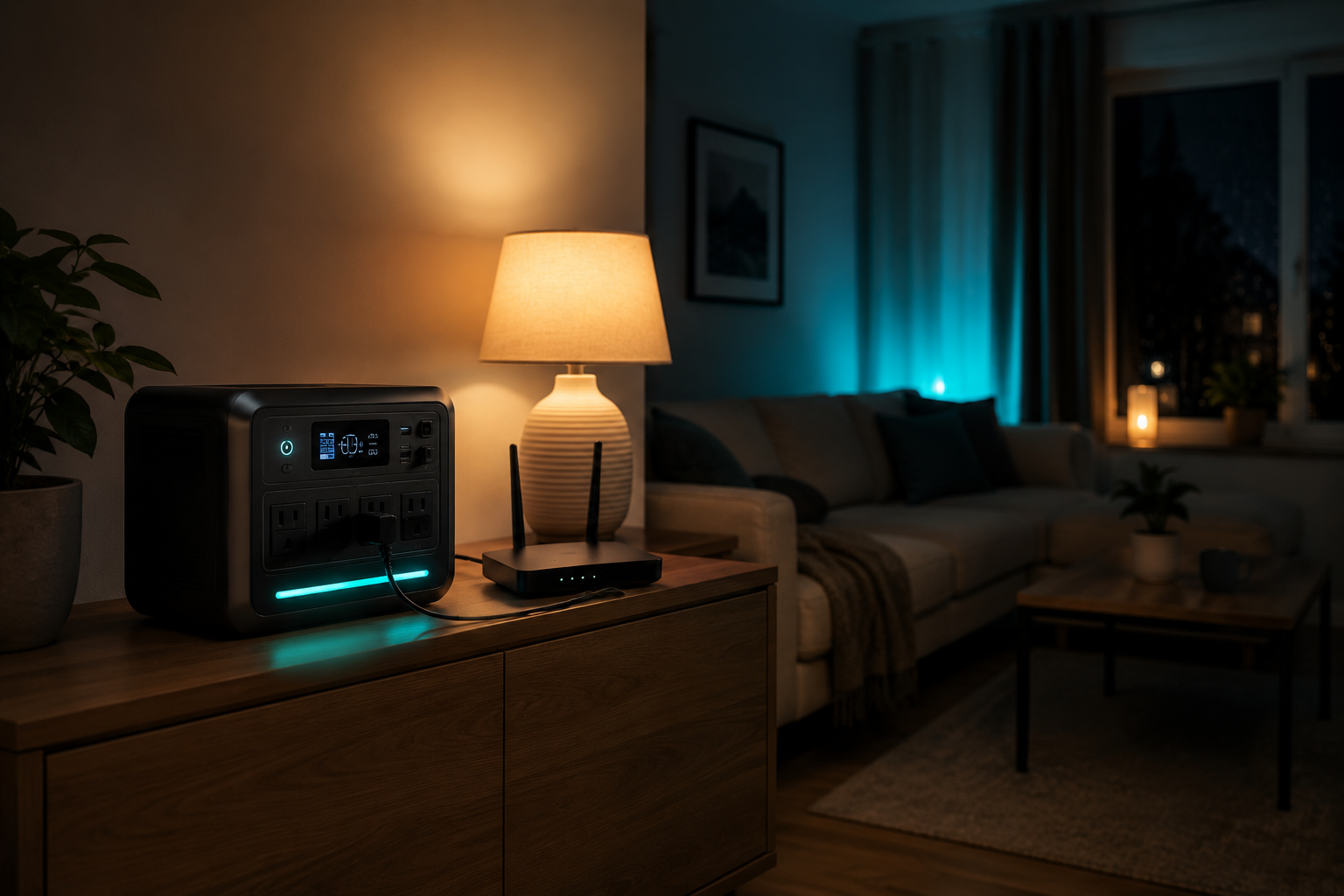
For many UK households, the goal is not to power the entire home. It is usually much simpler: keep the Wi-Fi on, charge phones, run a laptop, power a few lights, support a fridge for shorter outages and stay comfortable during storms or grid disruption.
That is where the choice becomes important. A generator can produce strong output, but it also brings fuel, fumes, noise and maintenance. A portable power station is quieter, cleaner and easier to use indoors for selected home essentials.
Portable power station vs generator: the simple difference
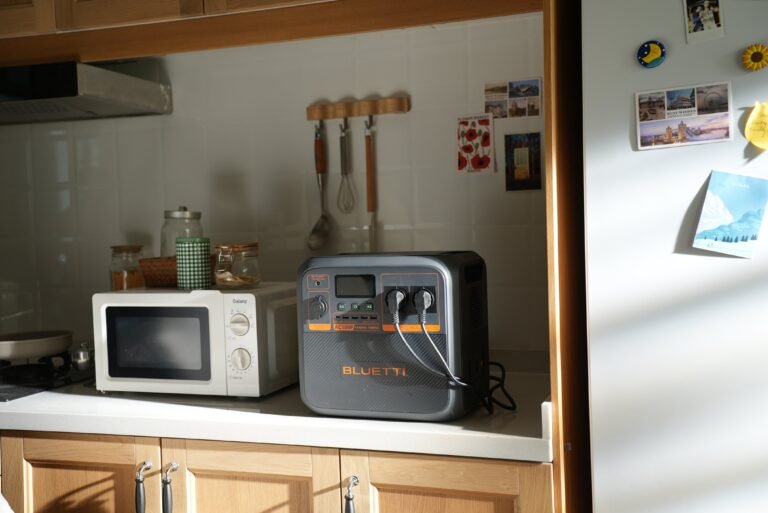
A portable power station is a rechargeable battery system. You charge it from the mains, compatible solar panels or sometimes a vehicle, then use it to power selected appliances through AC sockets, USB ports or DC outputs.
A generator creates electricity using a petrol, diesel or LPG engine. It can provide strong output, but it must be run outdoors and needs fuel, ventilation, maintenance and careful handling.
The key difference in the portable power station vs generator UK debate is not just output. It is also safety, storage, noise, fuel and how you plan to use backup power inside a normal home.
Portable power station vs generator UK: quick comparison
The comparison below shows the practical difference for most UK households planning for power cuts, storms and essential backup power.
Why portable power stations make sense for UK homes
Portable power stations are popular because they solve the most common UK power cut problem without turning backup power into a complex project.
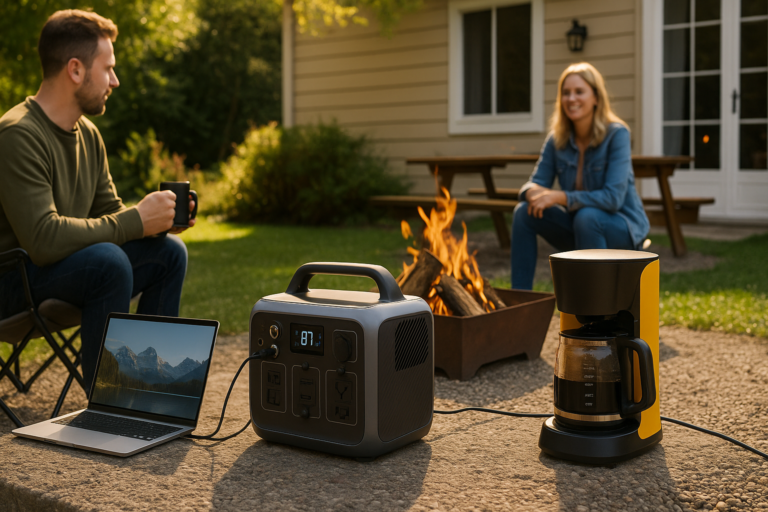
For everyday household essentials, they are often the more practical choice. You can keep one charged, store it indoors, move it between rooms and use it when needed without fuel, fumes or engine noise.
Good fit if you want to:
- Keep Wi-Fi running during a power cut
- Charge phones, tablets and laptops
- Run LED lighting during storms
- Support a home office during short outages
- Power selected small appliances
- Use backup power indoors without generator fumes
- Build a simple emergency kit for winter power cuts
If this sounds like your use case, start with the VoltReady Power Calculator to estimate your required wattage and battery capacity.
Where generators still have a place
Fuel generators can still be useful. They may be better suited to heavier outdoor loads, long off-grid periods, trade use, farms, workshops or situations where you have safe outdoor space and a reliable fuel supply.
The trade-off is that generators are more involved. You need to think about fuel storage, fumes, noise, maintenance, cable routing, weather protection and safe operation.
Safety note: fuel generators should not be run indoors, in garages or near open doors and windows. Generator exhaust can produce carbon monoxide, which is colourless and odourless and can be deadly.
For wider safety guidance, see the Gas Safe Register guidance on carbon monoxide poisoning.
This is one of the biggest reasons many households now prefer battery backup for indoor essentials. A portable power station is not designed to replace every generator use case, but it is often a cleaner and safer fit for normal home backup needs.
Which is better during a UK power cut?
For a typical UK home power cut, a portable power station is usually the easier option.
Most outages are about keeping important basics running: broadband, phone charging, lighting, a laptop, possibly a fridge and a few low-power devices. You do not normally need to run a kettle, oven, electric shower or whole-house heating from a portable unit.
That is where sizing matters. A small unit may be enough for phones, Wi-Fi and lighting. A larger power station may be better if you want fridge support, more runtime or a stronger inverter for higher-draw devices.
What can a portable power station realistically run?
Common UK backup uses include:
- Wi-Fi router: useful for staying connected during outages
- Phones and tablets: low power draw and easy to support
- Laptop: ideal for home working during shorter cuts
- LED lights: efficient and suitable for emergency kits
- Fridge: possible with the right capacity and output, but runtime varies
- TV: possible on many mid-sized units, depending on power draw
For a deeper breakdown, read What Can a Portable Power Station Run? or use the Power Calculator.
When a portable power station is better
Choose a portable power station if your priority is simple, quiet backup power for selected home essentials without fuel storage, fumes or engine maintenance.
When a generator may be better
A generator may make more sense for continuous high-output outdoor power, tools, farms, workshops or very long outages where fuel-based backup is planned safely.
When a portable power station is the better choice
Choose a portable power station if your priority is simple, quiet backup power for selected essentials.
It is the stronger fit if you want:
- Indoor backup power for selected essentials
- No petrol or diesel storage
- Low noise during use
- Low maintenance
- Easy plug-and-play setup
- Solar charging potential
- Cleaner backup power for everyday electronics
For most households browsing portable power stations, this is the main appeal: you can prepare for power cuts without buying and running a fuel engine.
When a generator may be the better choice
A generator may be better if you need continuous high-output outdoor power, already have safe fuel storage, or need to support tools and heavier equipment away from the home.
It may also be worth considering if you expect very long outages and have a proper outdoor setup. Even then, safe placement, carbon monoxide awareness and correct electrical connection are essential.
Best VoltReady starting points
Start with your actual load rather than guessing. These pages help you move from research to a practical backup setup.
Final verdict: portable power station or generator?
For most households comparing portable power station vs generator UK options, the portable power station is the cleaner everyday choice for Wi-Fi, lighting, laptops and selected essentials.
If you want to keep essential devices running during a UK power cut, a portable power station is usually the better everyday choice. It is quieter, cleaner, easier to store and much simpler to use indoors for phones, Wi-Fi, laptops, lights and selected small appliances.
A generator still has a place for heavy outdoor loads and long fuel-based backup, but it is not the most convenient or comfortable option for most home essentials.
The safest buying route is simple: work out what you want to run, estimate the wattage and runtime, then choose a power station with enough output and battery capacity for the job.
Not sure what size you need?
Use the VoltReady Power Calculator to estimate your backup power requirement before choosing a portable power station.